
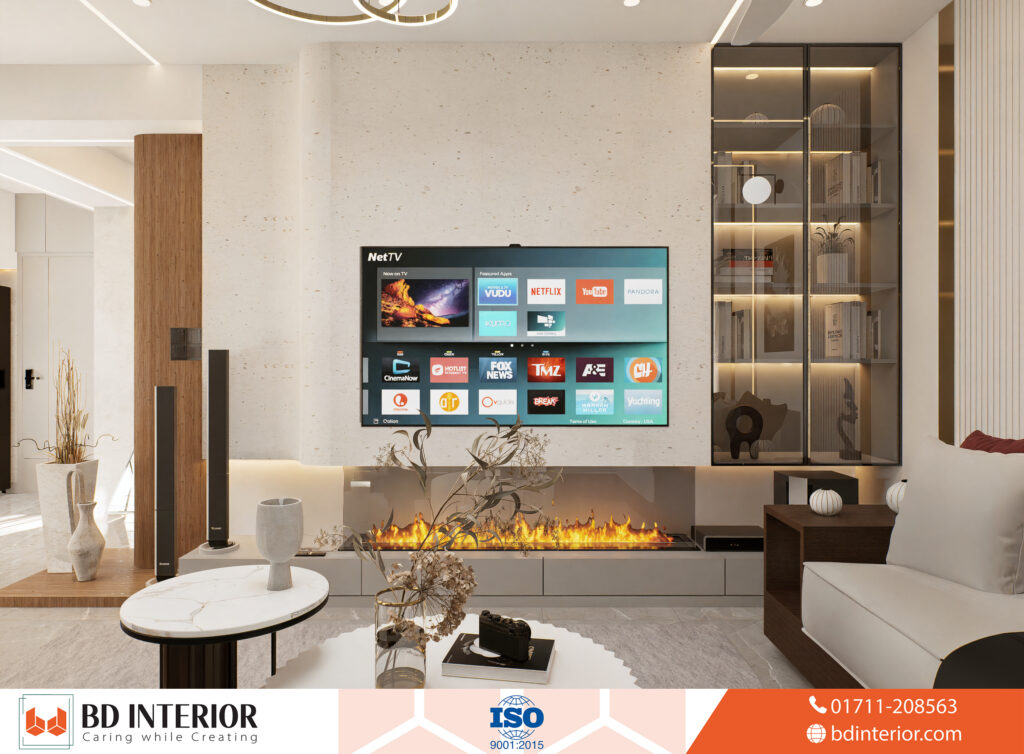
A basic TV stand doesn’t do your living room justice. Choosing the right TV unit can turn your space from plain to impressive. Selecting the proper TV unit creates a functional and aesthetic centerpiece, shaping how your living room looks, feels, and is used daily.
Before choosing styles or features, focus first on what truly matters in a TV unit. No matter your space, there is a TV unit that can make your living room stand out.
Modern TV Unit Design Ideas for Your Living Room
Modern TV units are much sleeker than the old bulky entertainment centers. Today’s designs combine function and style, fitting almost any home decor.
Floating TV units are very popular right now. These wall-mounted styles make your room feel bigger by showing more of the floor. They look modern, are easy to clean under, and often have hidden LED lights for a cozy feel at night.
Scandinavian-style TV units have a simple, minimalist look. Light woods like oak or birch and white finishes make the room feel fresh. These designs offer enough storage without clutter and pair well with neutral colors and natural materials.
Industrial-style TV units combine metal frames with reclaimed wood for a bold look. The unfinished style adds character and works well in lofts or modern homes. Exposed hardware and open shelves give them an urban edge.
Key Design Trends:
- Asymmetrical layouts that break away from traditional symmetry
- Mixed material combinations (wood + marble, metal + glass)
- Integrated fireplace units for cozy vibes
- Modular systems you can rearrange as needed
- Low-profile designs that don’t dominate the room
Mid-century modern TV units add a retro touch with tapered legs and warm wood colors. They often have sliding doors and angled shapes that feel both classic and new. Japanese-inspired units emphasize simplicity and natural materials, creating a calm, peaceful space. No matter your taste, modern TV units let you showcase your style while keeping your living room tidy.
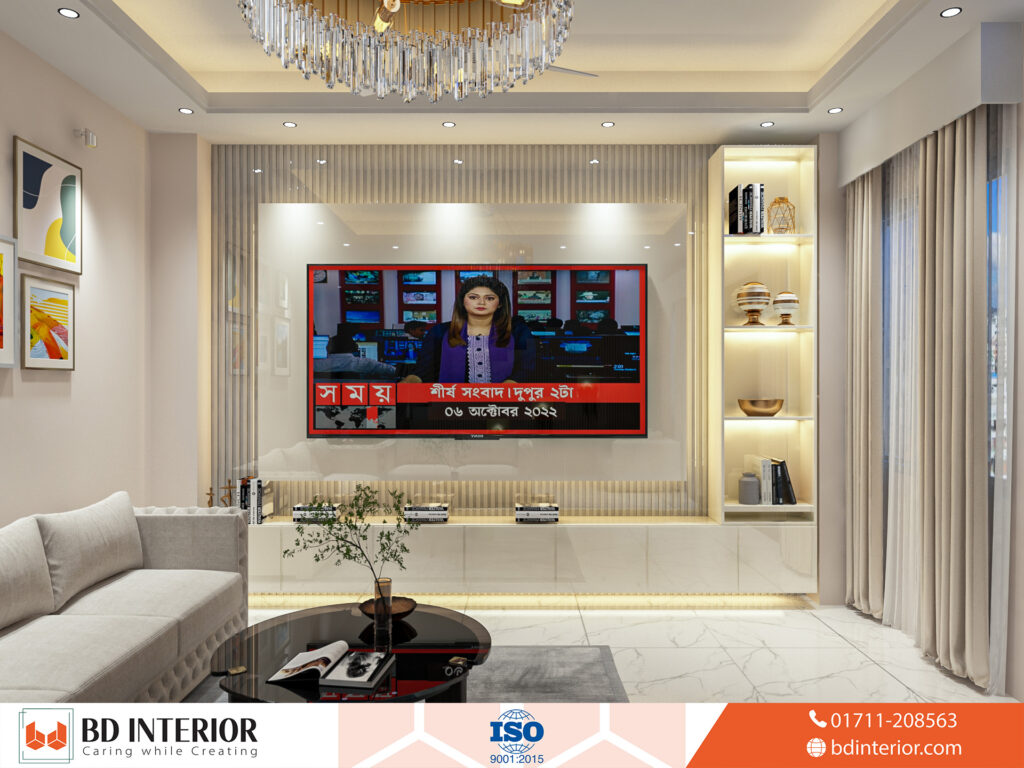
How to Choose the Right TV Unit Size and Style for Your Space
Choosing the wrong size is the most common mistake when buying a TV unit. If it’s too small, it looks out of place. If it’s too big, it can take over the whole room.
Begin by measuring your TV’s width. Your TV unit should be 4 to 6 inches wider than your TV on each side. This helps the setup look balanced and prevents the TV from appearing as if it might fall off. For a 55-inch TV, pick a unit that’s at least 60 to 65 inches wide.
Room size is important. For small rooms under 150 square feet, choose compact units with vertical storage rather than wide ones. Tall, narrow units make the ceiling seem higher. In bigger rooms, you can use larger entertainment centers or wall units that cover more space.
Wall-mounted TV units are great for modern apartments and homes. They save floor space and give a floating look. You need strong walls to support them, so always anchor into studs or use heavy-duty wall anchors. Installing them takes more work, but the clean look is worth it.
Freestanding TV units are flexible. You can move them, take them with you if you move, and use them in rentals where you can’t drill into the walls. Choose units with adjustable shelves so you can change the setup as needed.
Matching Your Existing Decor
Think about your furniture’s finish and try to match or complement it. Make sure the TV unit looks right in the room and that its color and style fit your overall decor.
To find the best viewing distance, sit where you usually watch TV and measure how far you are from the screen. The distance should be about 1.5 to 2.5 times the TV’s diagonal size. This helps prevent eye strain when watching for extended periods.
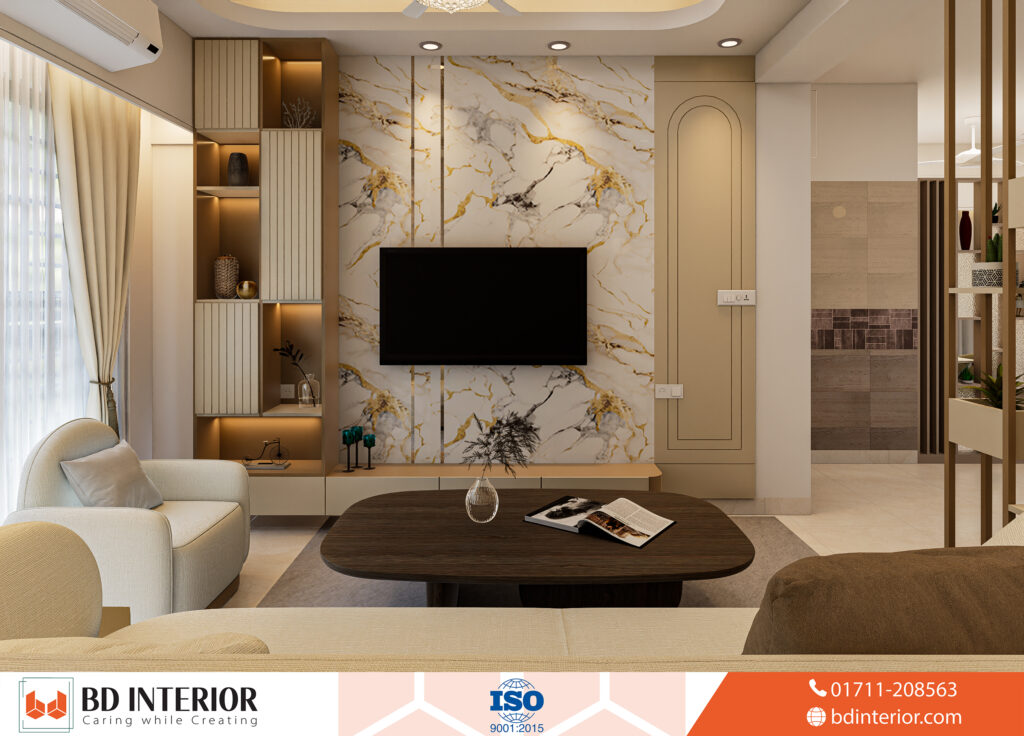
Best Storage Solutions and Features in TV Unit Designs
Let’s talk about the elephant in the room—all those messy cables, remotes, gaming consoles, and random stuff that clutters up TV areas. Smart storage solutions in your interior design TV unit can completely hide this chaos.
Cable management is what makes a good TV unit great. Choose units with built-in channels or holes in the back for cords. Some high-end units feature special cable boxes with removable panels, making it easy to add or remove devices. Use Velcro strips or cable ties to keep wires neat inside the unit.
Open shelves are good for showing off decorative items, but they collect dust and need regular tidying. They work best for people who enjoy arranging displays.
Closed storage with doors hides clutter and keeps the area looking neat. Soft-close hinges stop doors from slamming. Glass-front cabinets are a good compromise—they keep dust out while still letting you show off nice items. Frosted or tinted glass can hide less-attractive elements and add style.
Drawers are useful for storing remotes, cables, manuals, and controllers. Deep drawers can hold DVDs or games. Soft-close drawers last longer and close quietly.
Essential Storage Features:
- Ventilated back panels prevent device overheating.
- Adjustable shelving accommodating different equipment heights
- Pull-out trays for gaming consoles or media players
- Hidden compartments for valuables or unsightly items
- Built-in power strips eliminate the mess of extension cords.
Look for TV units that offer various storage options. Having a mix lets you store things in the best way. For example, use closed cabinets at the bottom for big items, open shelves in the middle for display, and small drawers at the top for remotes. This setup helps you stay organized and keeps your living room looking good.
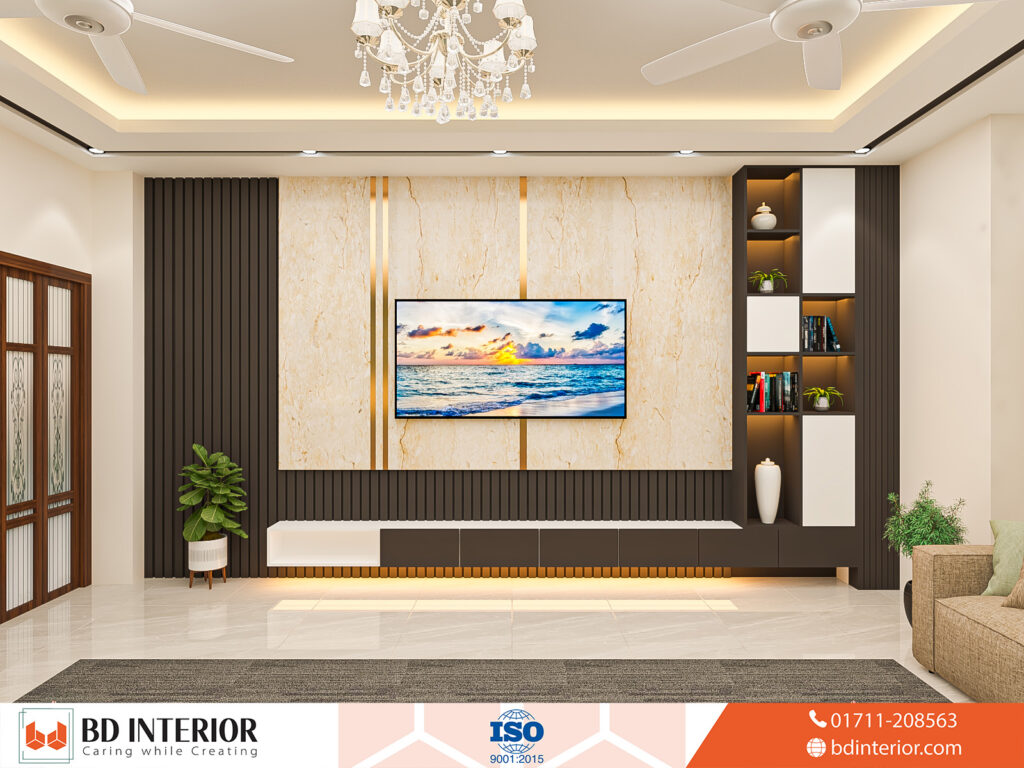
TV Unit Materials and Finishes: Wood, Glass, and Contemporary Options
The material you pick for your TV unit affects how long it lasts, how much care it needs, its price, and how it looks. Each material has its own pros and cons to think about.
Solid wood is known for its quality and durability. Woods like oak, walnut, and teak can last for decades with proper care and gain character over time. Wood brings warmth and a natural look, but it costs more and needs regular cleaning and polishing.
Engineered wood, like MDF or particleboard with veneer, is a more affordable option. New manufacturing methods make these materials quite strong. Good veneers can look almost like real wood but cost less. The downside is they don’t handle moisture well and can’t be refinished if damaged. For most homes, they work well for everyday use.
Glass gives a modern, elegant look. Tempered glass shelves are strong and make the room feel more open. Glass-front cabinets reflect light but can show fingerprints and dust, even though they look great.
Metal frames, usually made of steel or aluminum, evoke industrial or contemporary vibes. They’re incredibly sturdy and resist damage well. Powder-coated finishes come in numerous colors and resist chipping better than paint. Metal stays cool to the touch and won’t warp over time like wood might in humid environments.
Material Comparison:
| Material | Durability | Maintenance | Cost | Best For |
| Solid Wood | Excellent | Medium | High | Traditional homes |
| Engineered Wood | Good | Low | Low | Budget-conscious buyers |
| Glass | Good | High | Medium | Modern spaces |
| Metal | Excellent | Low | Medium | Industrial styles |
Mixing materials creates contrast. Wood and metal together are popular, combining warm and cool looks. Marble or stone tops add a touch of luxury and resist heat. The color of the finish also affects the mood: dark colors feel dramatic, while light colors make the room feel bigger.
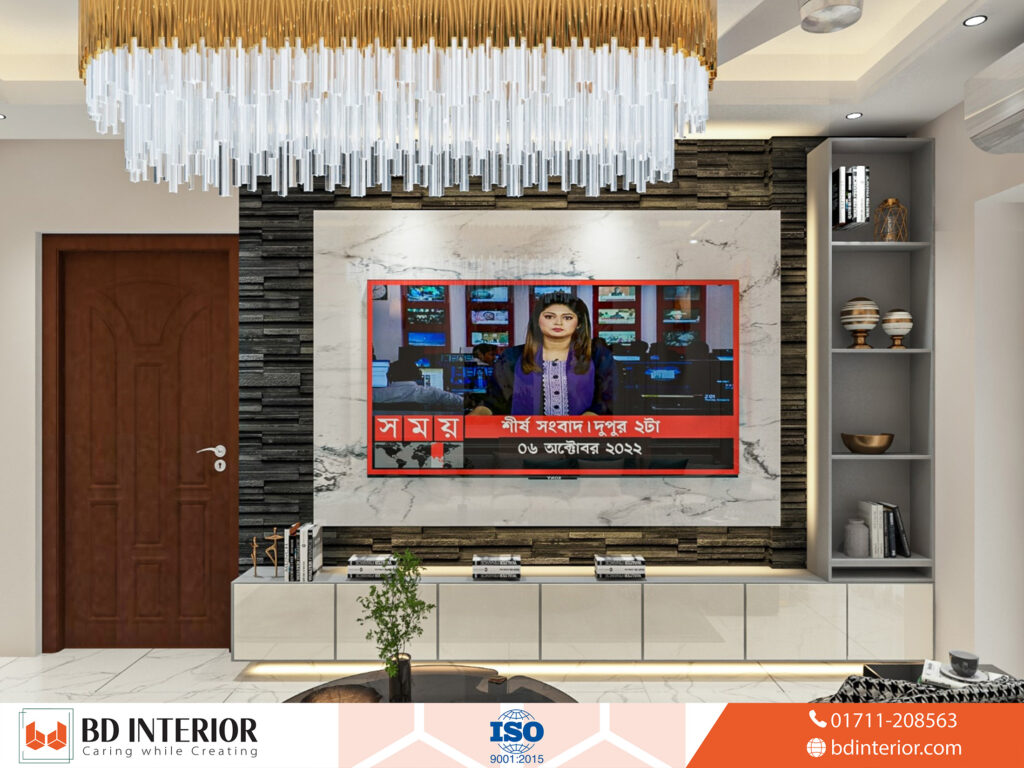
TV Wall Unit Installation Tips and Placement Ideas
Installing and placing your TV unit correctly can mean the difference between comfortable viewing and neck pain after watching movies.
The best TV height places the center of the screen at your eye level when you’re sitting. For most people, this is about 42 inches from the floor. Measure from your couch, not while standing, since that’s where you’ll watch. This small step helps you avoid mounting the TV too high and straining your neck.
Viewing angles are important. If you sit too far to the side, the picture can look distorted or faded. Try to keep seats within a 30-degree angle from the center of the screen. In large rooms with several seating areas, focus on providing the best view for the main seating area.
Think about natural light to avoid glare on your screen. Don’t put your TV right across from windows that let in sunlight. If you can’t avoid this, use blackout curtains or blinds when watching TV. Side lighting is better than lighting from behind or in front for reducing eye strain.
Finding wall studs is important for mounting TV units. Use a stud finder to locate the wood framing behind the drywall. Always attach heavy units to at least two studs for safety. If the studs aren’t in the right place, use a French cleat system or toggle bolts that can hold the weight of both the unit and the TV.
Installation Best Practices:
• Get someone to help you since TV units are heavy and hard to move
• Level everything carefully using a proper level tool
• Leave 2-3 inches of space behind units for air circulation
• Consider future access needs for cables and connections
• Test all weight limits before loading shelves completely
Final Thoughts
Blending your TV unit with the rest of your furniture makes the room look more put-together. Bookcases on either side of the unit can give the unit a built-in feel. Matching coffee or side tables help tie the space together.
Try to leave at least 30 inches in front of the unit for easy movement. Add plants, art, or decorations around the TV unit so it doesn’t look like just a big black box on the wall. This aim is to make your TV unit feel like a natural and attractive part of your living room.

S.M. Rezaul Haque is a seasoned interior design consultant with 15+ years of experience. An AIUB graduate and Senior Vice President of BIDCOA, he specializes in creating functional, sustainable, and visually inspiring spaces. As the driving force behind BD INTERIOR, he has helped shape 700+ Bangladesh’s most innovative interior design projects.