
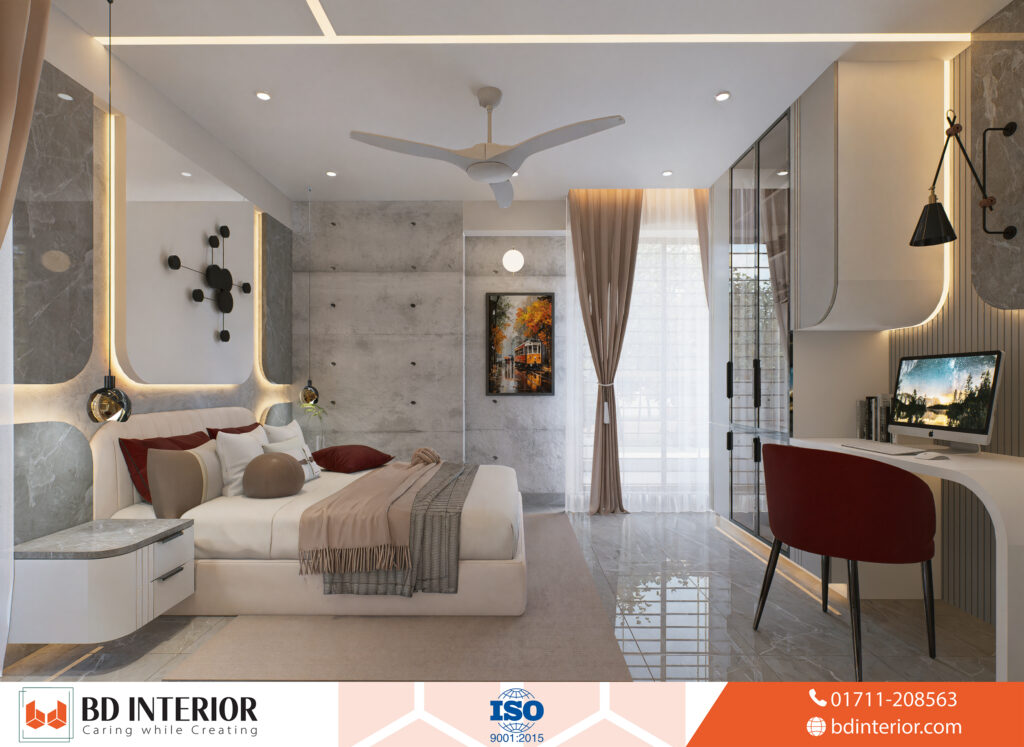
A beautiful home is more than just nice colors or fancy furniture. It’s about making your space feel welcoming and comfortable. Good interior design means planning carefully, making smart choices, and understanding how everything fits together. Whether you’re updating your home or starting from scratch, this guide will help you every step of the way.
How Good Interior Design Elevates Your Home: Purpose, Value & Impact
Good interior design isn’t just about looks. It can change how you feel and live every day at home.
Investing in good interior design is really an investment in your well-being. A well-designed room can lower stress, help you get more done, and make daily life easier. Think about how you feel in a messy, dark room compared to a bright, tidy one—the difference is clear right away.
Here’s what effective interior design brings to your home:
- Better functionality – Every item has its place, making your daily routines smoother
- Increased property value – Homes with thoughtful design sell faster and for higher prices
- Enhanced mood – Colors, lighting, and layout directly affect your emotions
- Improved safety – Proper planning prevents accidents and creates accessible spaces
- Energy efficiency – Smart design choices can lower your utility bills significantly
Interior design also shows your personality. Your home tells a story about who you are, what matters to you, and how you want to live. For example, a family with kids will need different solutions than a retired couple or someone who works from home. Good design can fit all these needs.
The financial side is important too. Real estate experts say that smart interior updates can give you back 50-80% of what you spend when you sell your home. Some changes, like updating the kitchen or bathroom, can pay off even more. You don’t need to spend a lot—small improvements can still make your home more comfortable and valuable.
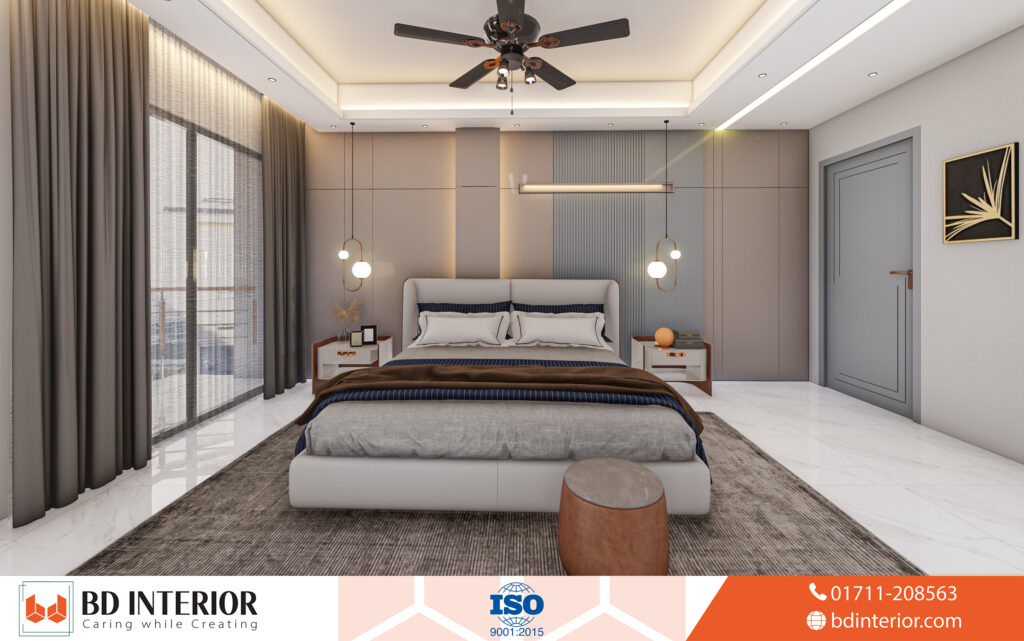
Key Elements of House Interior Design: Layout, Color, Materials & Lighting
Understanding core design elements helps you make better choices for every room. First, consider traffic flow. Do people move easily between rooms? Do doorways cause bottlenecks? Arrange furniture to guide movement, not block it.
Open layouts can make a space feel bigger, but you need to create clear zones. Rugs, furniture placement, or small dividers can help mark out areas for dining, relaxing, or working. Each area should have its own purpose.
Color Psychology & Schemes
Colors can really change the mood of a room. Blues and greens are calming, making them ideal for bedrooms. Yellows and oranges are lively, making them good for kitchens or playrooms. Neutral colors are versatile and timeless, never going out of style.
The 60-30-10 rule simplifies color selection:
- 60% dominant color (usually walls)
- 30% secondary color (upholstery, curtains)
- 10% accent color (pillows, artwork, accessories)
This formula helps keep things balanced and easy on the eyes. Feel free to adjust the amounts to fit what feels right for you.
Materials & Textures
Mixing different materials makes a room more interesting. Try combining smooth and rough surfaces, or pair soft fabrics with hardwood or metal. This kind of contrast keeps your space from feeling dull.
Consider how long materials will last, especially in high-traffic areas. Hardwood floors can last for decades if they are properly cared for. Porcelain tiles are great for bathrooms because they resist water. Natural stone looks elegant but requires more maintenance. Every material has its pros and cons.
Lighting Layers
Don’t just use one kind of light in a room. Designers usually mix three types of lighting:
- Ambient lighting – Overall illumination from ceiling fixtures
- Task lighting – Focused light for specific activities like reading or cooking
- Accent lighting – Highlights artwork, architectural features, or creates a mood.
Dimmer switches let you change the brightness as needed. Make the most of natural light by using your windows. You can also place mirrors in strategic locations to reflect light into darker areas.
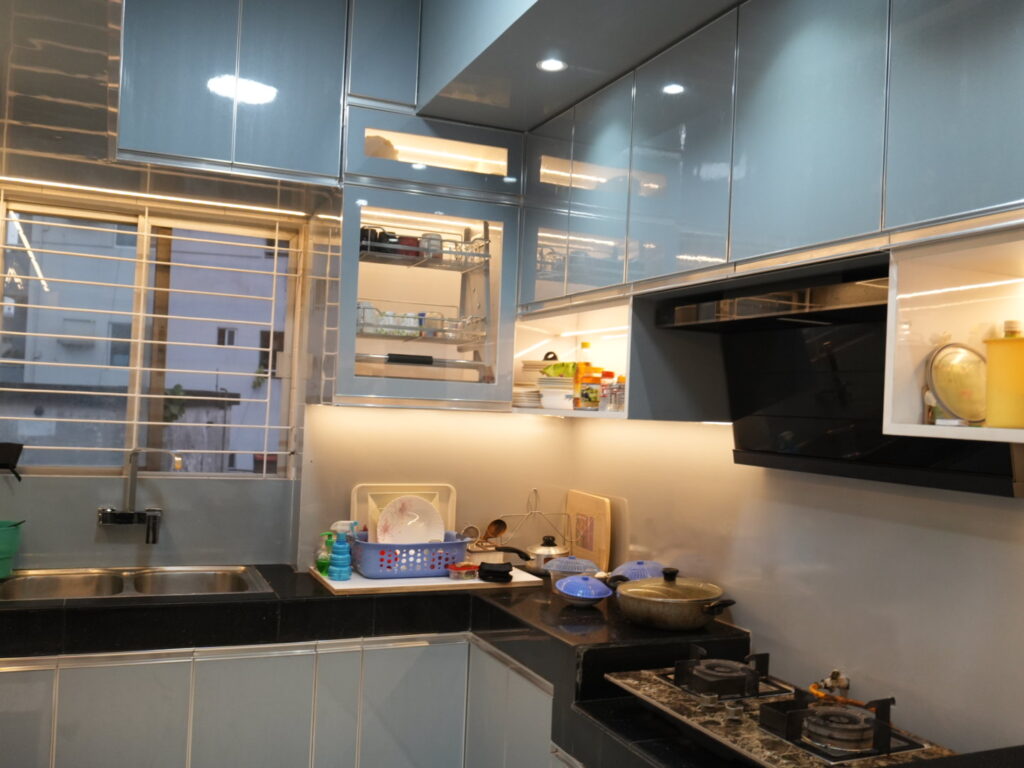
Choosing the Right Style for Your Home: From Modern to Traditional
Your design style shapes the whole look of your home. Here are some popular styles and what makes them special.
Modern & Contemporary
Modern interiors have clean lines and little clutter. They use neutral colors and practical furniture for a simple, sleek look. Contemporary design changes with the latest trends, while modern style is based on mid-20th century looks.
These styles are great for city homes or places with striking architecture. You’ll often see glass, steel, and concrete. Clever storage keeps things out of sight and the space looking clean.
Traditional & Classic
Symmetrical design uses rich wood, fancy details, and balanced layouts. Picture crown molding, soft furniture, and formal room setups. The colors are often warm neutrals, deep reds, and golds. those who prefer timeless elegance. Antiques and heirlooms find natural homes in traditional settings. The interior design of house spaces using this style feels established and dignified.
Transitional (Blending Old & New)
If you can’t decide between modern and traditional, transitional style mixes both. You get the cozy feel of traditional design with the clean look of modern style. Neutral colors help furniture from different times work well together.
This flexibility is why transitional design is so popular. You can swap out pieces over time without changing the whole style.
Minimalist
“Less is more” drives minimalist philosophy. Every item must serve a purpose or bring significant joy. Clutter disappears, leaving only essentials. Colors stay neutral, and surfaces remain mostly clear.
Minimalism doesn’t have to feel cold or empty. When you pick the right pieces, they stand out more. Here, quality is more important than having lots of things.
Bohemian & Eclectic
Bohemian and eclectic styles let you show off your personality and favorite finds. Mix patterns, colors, and styles from around the world. Layered fabrics, plants, and personal items make the space feel cozy and lived-in.
These styles are great for creative people who don’t like strict rules. Just make sure there’s something tying everything together, like a color scheme or material, so the room still feels balanced.
Room-by-Room Guide: Living Room, Kitchen, Bedroom & More
Every room has its own needs. Let’s look at them one at a time.
Living Room Design Essentials
The living room is for many things—hosting guests, relaxing, and spending time with family. Arrange your seats so people can talk easily. Try facing sofas and chairs toward each other instead of just the TV.
Keep coffee tables about 14 to 18 inches from your seats so they’re easy to reach. Use area rugs to group furniture and define the space. The rug should go under at least the front legs of your main furniture.
Storage solutions keep remote controls, books, and electronics organized. Built-in shelving or attractive cabinets serve double duty as display and utility.
Kitchen Layout & Functionality
The work triangle, which connects the sink, stove, and fridge, is still key in kitchen design. These three spots should be 13 to 26 feet apart in total. This setup keeps you from walking too much and gives you enough space to work.
Place counter space near each appliance to make meal prep easier. Use drawers instead of cabinets for pots, pans, and dishes so you can see everything at once. Install good ventilation to remove cooking odors and prevent moisture buildup.
Bedroom Retreat Creation
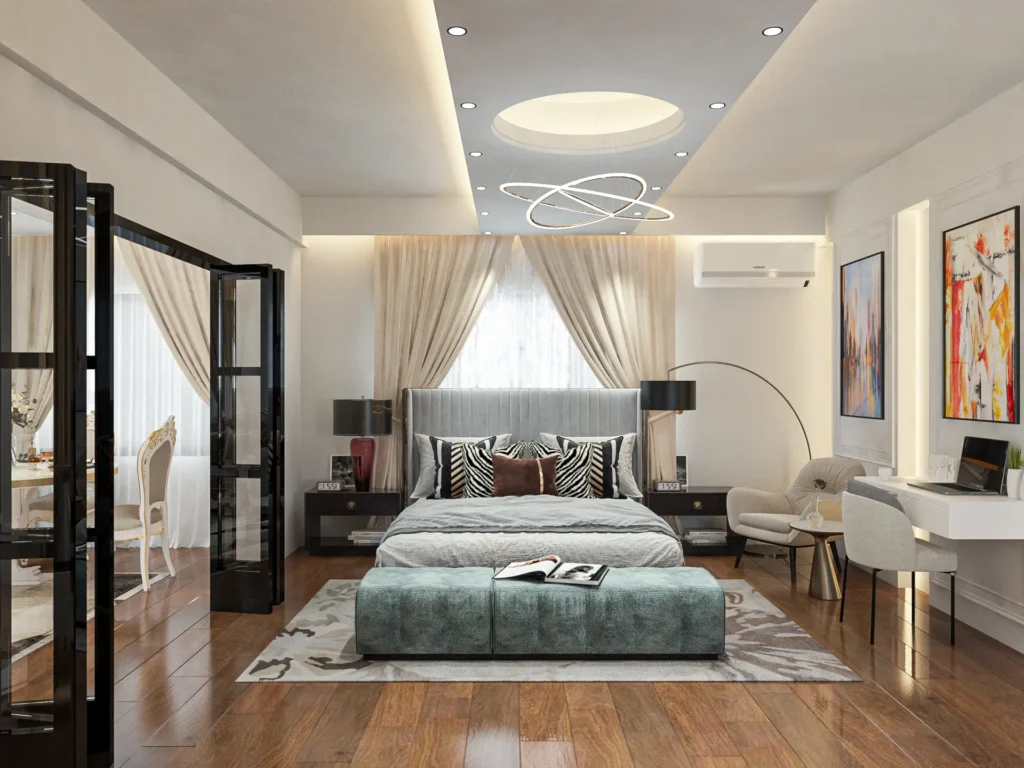
Bedrooms should feel calm above all. Use blackout curtains or shades to keep the room dark for better sleep. Try to keep electronics to a minimum or leave them out. Choose soft, washable bedding made from natural materials for extra comfort. Having nightstands on both sides of the bed is handy for couples. Enough closet space or wardrobes will help keep clothes off chairs and floors. If you have room, a reading nook is a nice touch.
Bathroom Functionality Meets Style
You need water-resistant materials in the bathroom. Good ventilation stops mold from growing. Store toiletries, towels, and cleaning supplies where you can reach them easily, but keep the space looking neat.
If you can, keep the toilet separate from the shower or tub for easier sharing. Heated floors feel great in cold weather. Make sure there’s good lighting around mirrors for getting ready.
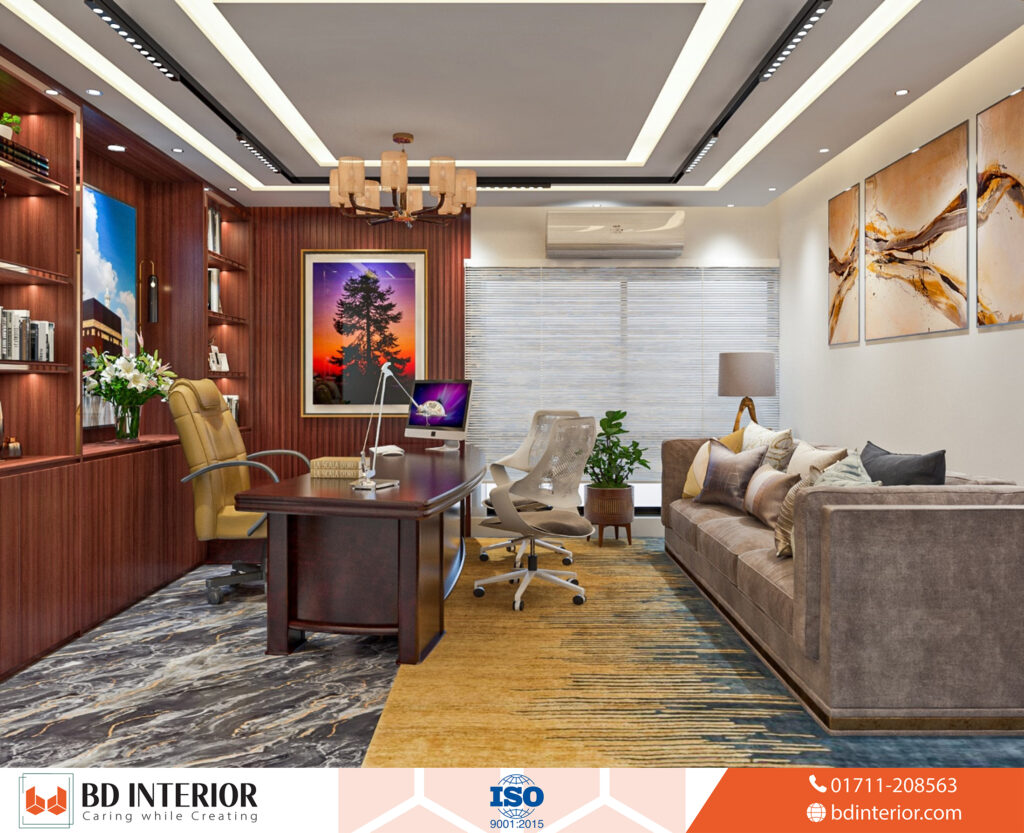
Office Productivity
Working from home means you need a good workspace. Put your desk near a window for natural light, but not right in front of it to avoid screen glare. Use an ergonomic chair to protect your back, and keep cords organized and out of the way. Sound-absorbing panels or soft furnishings can cut down on echo during video calls. Try to keep your work area separate from where you relax, even if it’s just a mental boundary. This helps you maintain a balance between work and home life.
Budgeting, Planning & Hiring Professionals: What to Know Before You Start
Careful planning helps you avoid expensive mistakes and makes sure you’re happy with your interior design projects.
Setting a Realistic Budget
Determine your budget before getting attached to any ideas. Design costs can vary significantly depending on your project’s scope. Consider adding a 10–20% buffer, which allows for extra funds to cover unexpected expenses. Hidden issues often emerge during renovations. This cushion prevents panic when they appear.
DIY vs. Professional Help
You can handle simple tasks yourself, such as painting, hanging curtains, or moving furniture. These projects mostly just take your time and the cost of materials.
- Structural changes (removing walls, adding windows)
- Electrical or plumbing work
- Custom cabinetry or built-ins
- Complex color schemes across multiple rooms
- When you feel overwhelmed or lack time
Interior designers usually charge $50 to $200 an hour, or sometimes a flat fee for the whole project. Their know-how can actually save you money by helping you avoid mistakes and get discounts on furniture and materials.
Creating a Timeline
Rushing usually leads to poor results. Good interior design takes time. Planning can take two to four weeks, and doing the work can be a few days for small changes or several months for big renovations.
Order custom furniture and materials as soon as you can, since they can take 8 to 12 weeks or more to arrive. Try to plan your project around your own schedule. Avoid big changes during holidays or special events to keep stress low.
Questions to Ask Designers
Before hiring anyone, get clear answers:
- Can I see your portfolio of completed projects?
- What’s your design process from start to finish?
- How do you handle budget overruns?
- Who manages contractors and orders materials?
- What happens if I don’t like the initial concepts?
Check references and read reviews. If you can, visit some of the designer’s finished projects. It’s important to get along with your designer, since you’ll be working together for a while.
Trends & Future-Proofing: Sustainable, Flexible & Technology-Driven Home Interiors
Interior design is always changing. Right now, trends are moving toward being more eco-friendly, flexible, and smart with technology.
Sustainable & Eco-Friendly Choices
Caring for the environment is a big part of modern design. Using reclaimed wood, recycled metals, and natural fibers helps the planet. Low-VOC paints make the air in your home cleaner and are better for the environment.
Energy-saving appliances and LED lights lower your bills and help the environment. Buying second-hand or vintage furniture gives old pieces new life and keeps them out of landfills. Many designers also use local materials and work with local craftspeople to cut down on shipping.
Biophilic design brings nature inside by using plants, natural materials, and shapes inspired by nature. This connection can lower stress and boost your mood. Living walls, indoor gardens, and natural stone make your home feel more alive.
Flexible Multi-Purpose Spaces
Homes today need to be flexible. A dining room might turn into a workspace, and a guest room can become a home gym. Furniture that’s easy to move or change helps make these transitions simple.
Murphy beds fold away to free floor space. Modular sofas reconfigure for different needs. Rolling storage carts move between rooms as requirements change. This flexibility means your home grows with you, rather than becoming obsolete.
Smart Home Integration
Technology is now a natural part of home design. Voice-controlled lights, thermostats, and entertainment systems make life easier. The best smart homes keep tech hidden—wires are tucked away, speakers are built into ceilings, and charging stations are part of the furniture.
Even if you’re not using smart devices yet, think about adding extra electrical lines and network cables during renovations. It doesn’t cost much now and can add a lot of value in the future.
Timeless vs. Trendy
Balance is important. Start with classic design basics that last a long time. Add trendy touches with things you can change easily, like pillows, art, or paint. This way, your home stays up to date without big, costly changes.
Try not to pick styles that are too trendy or tied to a certain time period. These can look old fast. Instead, choose quality pieces with simple shapes that work with many styles.

S.M. Rezaul Haque is a seasoned interior design consultant with 15+ years of experience. An AIUB graduate and Senior Vice President of BIDCOA, he specializes in creating functional, sustainable, and visually inspiring spaces. As the driving force behind BD INTERIOR, he has helped shape 700+ Bangladesh’s most innovative interior design projects.