
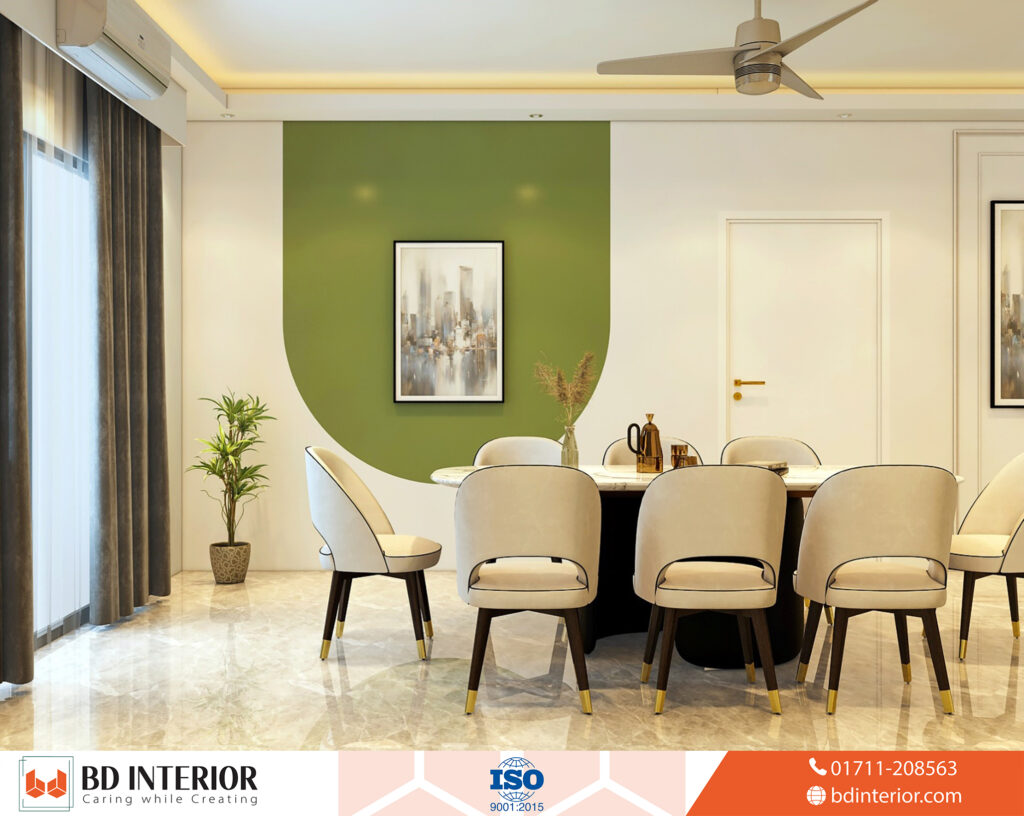
interior design goes beyond picking colors or placing furniture. It blends art, science, and psychology to shape spaces that truly work for the people who live in them.
Each part of interior design highlights different elements that make a project successful. Maybe you’re great with colors but find space planning tricky. Lighting might feel easy, while picking materials can seem daunting.
We’ll walk through the main areas every designer should know. This way, you can tackle projects feeling confident and organized.
With this framework, whether you’re updating one room or planning a whole house, knowing these basics will help you make better choices. Let’s know what makes interior design complete.
Space Planning and Layout: The Backbone of Every Design
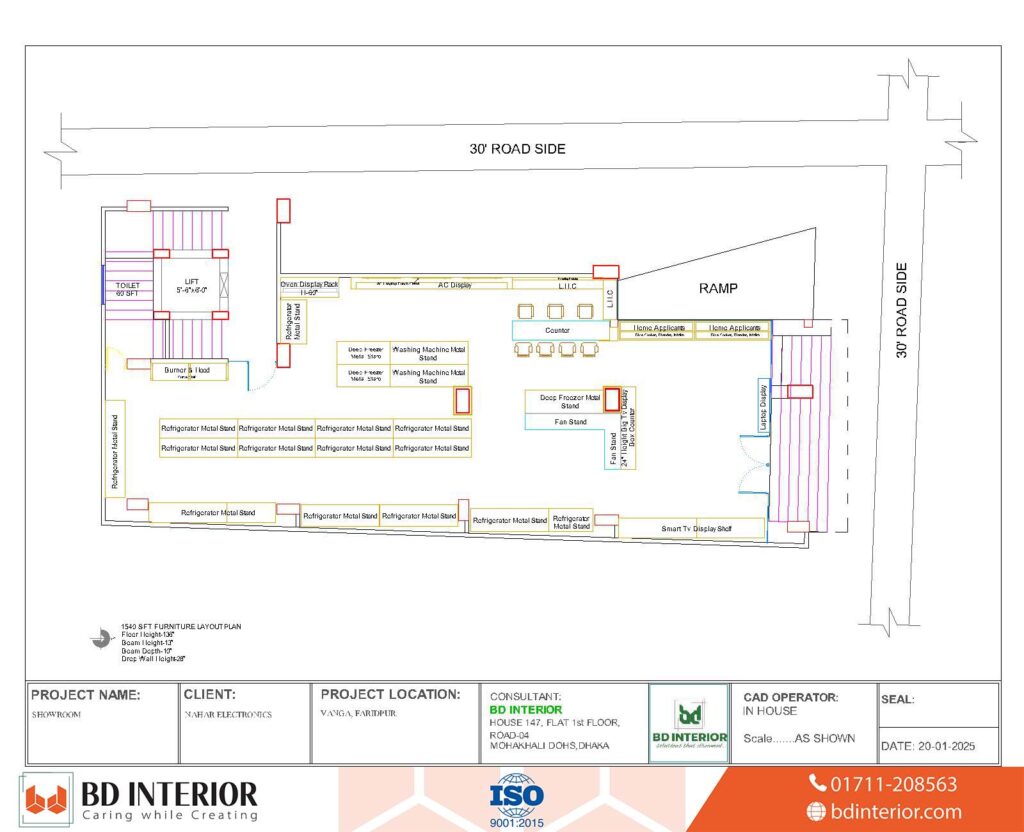
Space planning forms the foundation for all other design decisions. Before selecting a single paint color or furniture piece, you must understand how a room will function.
This area involves analyzing how people move through and use spaces. Designers measure rooms, note architectural features, and identify visitor patterns. They consider door swings, window placements, and existing structural elements that can’t change.
When designers apply the scientific principles of ergonomics, they ensure that counter heights, seating depths, and reaching zones physically support the human body and prevent repetitive strain over time.
Key Space Planning Principles
Effective layouts balance three essential zones. Public areas like living rooms need open flow for gatherings. Private spaces such as bedrooms require separation and quiet. Work zones demand focused functionality without distractions.
Circulation paths deserve careful attention. People need clear routes between frequently used areas. A kitchen design fails if the refrigerator blocks the path to the dining room. Bedrooms feel cramped when you can’t walk around the bed comfortably.
Consider these critical factors:
- Room proportions: Long, narrow spaces need different solutions than square rooms.
- Furniture scale: Pieces must fit the room size appropriately.
- Activity requirements: Different tasks demand specific space allocations.
- Flexibility needs: Rooms may serve multiple purposes over time.
Professional designers create floor plans using precise measurements. Before committing to one arrangement, they test multiple furniture layouts. This thoughtful planning helps prevent costly mistakes, such as buying a sofa that won’t fit through doorways.
For properties on the market, real estate professionals increasingly utilize Roomstage AI to virtually stage empty rooms, helping buyers envision spatial possibilities instantly and cost-effectively.
For quick spatial checks, virtual planning tools like Coohom enable professionals and homeowners to drag-and-drop exact furniture dimensions into a digital model to test visual balance beforehand.
Zoning divides larger spaces into functional areas. An open-plan living area might include distinct zones for cooking, dining, and relaxing. Visual or physical separators define each zone without the need for walls.
In modern open-plan spaces, integrating functional Acoustic Solutions like felt wall panels and perforated wood ceilings is vital to control reverberation and maintain conversational privacy.
Color, Texture, and Material Selection for Visual Harmony
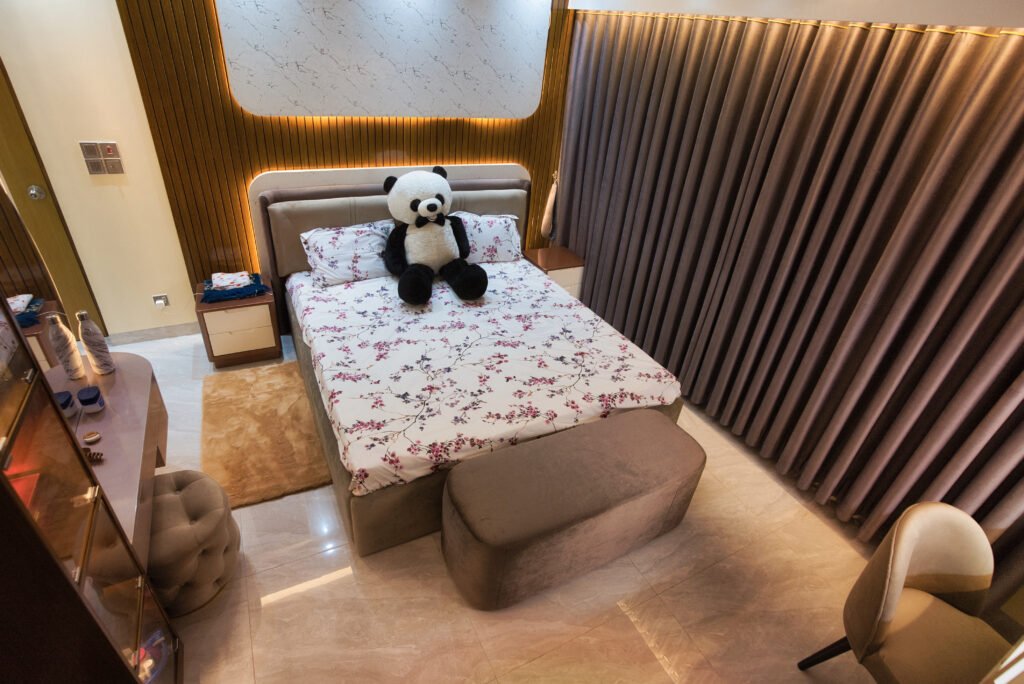
Colors, textures, and materials unite to create emotional responses and define a space’s character. This area requires both creative vision and technical expertise. The combination transforms ordinary rooms into expressive environments.
To bridge the gap between flat blueprints and reality, modern firms rely on 3D Visualization, allowing clients to virtually walk through their future homes before any construction begins.
Color psychology influences how rooms feel. Blues and greens promote calmness, making them ideal for bedrooms. Warm reds and oranges stimulate conversation in dining areas. Neutral backgrounds provide versatility across changing trends.
Working with Color Schemes
Designers use established color theories to build harmonious palettes. Complementary schemes pair opposites on the color wheel for vibrant contrast. Analogous combinations use neighboring colors for subtle sophistication. Monochromatic approaches layer different shades of one hue. A color wheel is a circular diagram of colors showing relationships.
Natural light dramatically affects how colors appear. Northern exposure brings cool, consistent light throughout the day. Southern windows flood spaces with warm, changing illumination. Test colors under actual lighting conditions before final decisions.
Texture adds a dimension that flat colors alone cannot achieve. While smooth glass surfaces reflect light in one way, rough stone walls scatter it in different directions. Soft fabrics absorb sound, while hard materials bounce it around. Mixing textures prevents rooms from feeling one-dimensional.
Material selection must balance aesthetics with practical needs. Durability is essential in high-traffic areas. Maintenance requirements also affect long-term satisfaction. Sometimes, budget constraints require creative compromises between desired options and affordable choices.
Sustainable materials gain importance as environmental awareness grows. Reclaimed wood, recycled metal, and low-VOC finishes appeal to eco-conscious clients. These choices can reduce environmental impact without sacrificing style.
Lighting Design: Creating Mood and Function in Every Space
Lighting ranks among the most critical yet often overlooked areas of interior design. Poor lighting ruins even the most thoughtfully planned spaces.
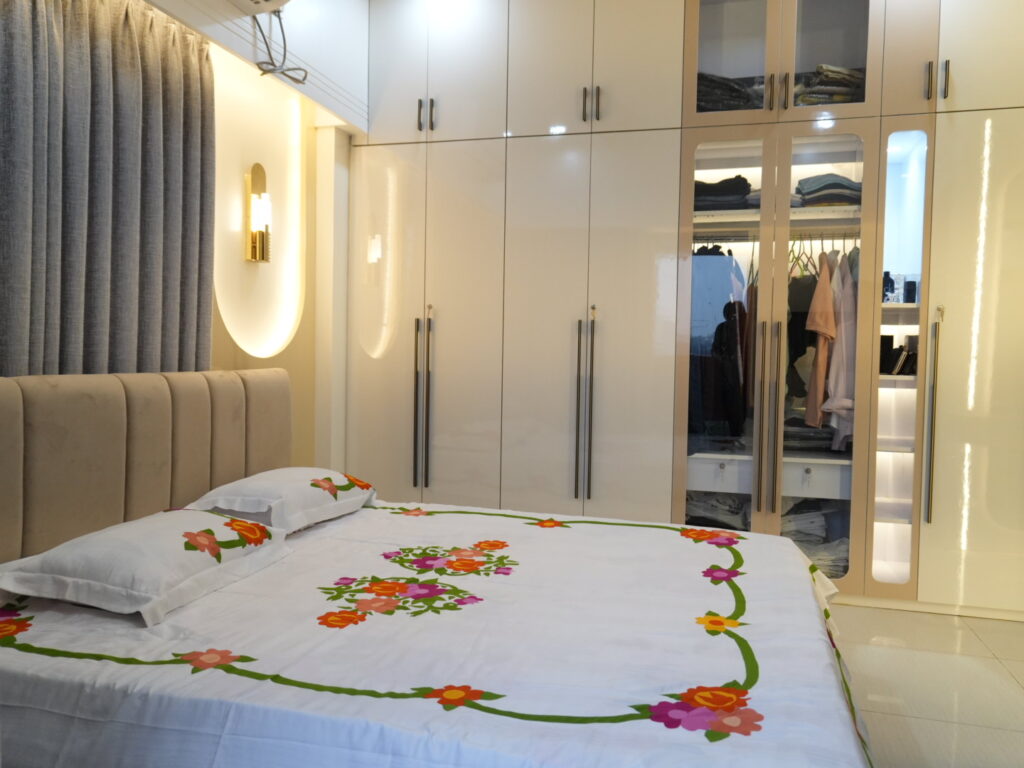
This specialty involves three distinct lighting types that serve different purposes. Ambient lighting provides overall illumination for safe navigation. Task lighting supports specific activities, such as reading or cooking. Accent lighting highlights architectural features or artwork.
Layering Light Sources
Successful lighting design layers multiple sources at different heights and intensities. Ceiling fixtures alone create harsh, unflattering light. Adding table lamps, floor lamps, and wall sconces builds depth and flexibility.
Natural daylight should inform artificial lighting choices. North-facing rooms need warm artificial light to counteract cool natural tones. South-facing spaces benefit from cooler bulbs that balance intense sunshine.
Control systems let you adjust lighting for different needs. Dimmer switches can turn a bright workspace into a cozy evening setting. Some smart systems even program lighting schedules to fit your daily routine.
Light temperature, measured in Kelvin, significantly affects mood. Kelvin is a unit for the color of light. Warm light (2700-3000K) creates cozy, relaxing atmospheres. Cool light (5000-6500K) promotes alertness and focus. Most homes benefit from warm lighting in living areas and cooler light in workspaces.
Fixture selection impacts both function and style. Chandeliers make dramatic statements in dining rooms. Recessed lights disappear into ceilings for minimal visual impact. Pendant lights define specific areas while providing targeted illumination.
Energy efficiency matters for both environmental and financial reasons. LED technology offers long lifespans and low energy consumption. These bulbs now come in all color temperatures and dimming capabilities that once required incandescent options.
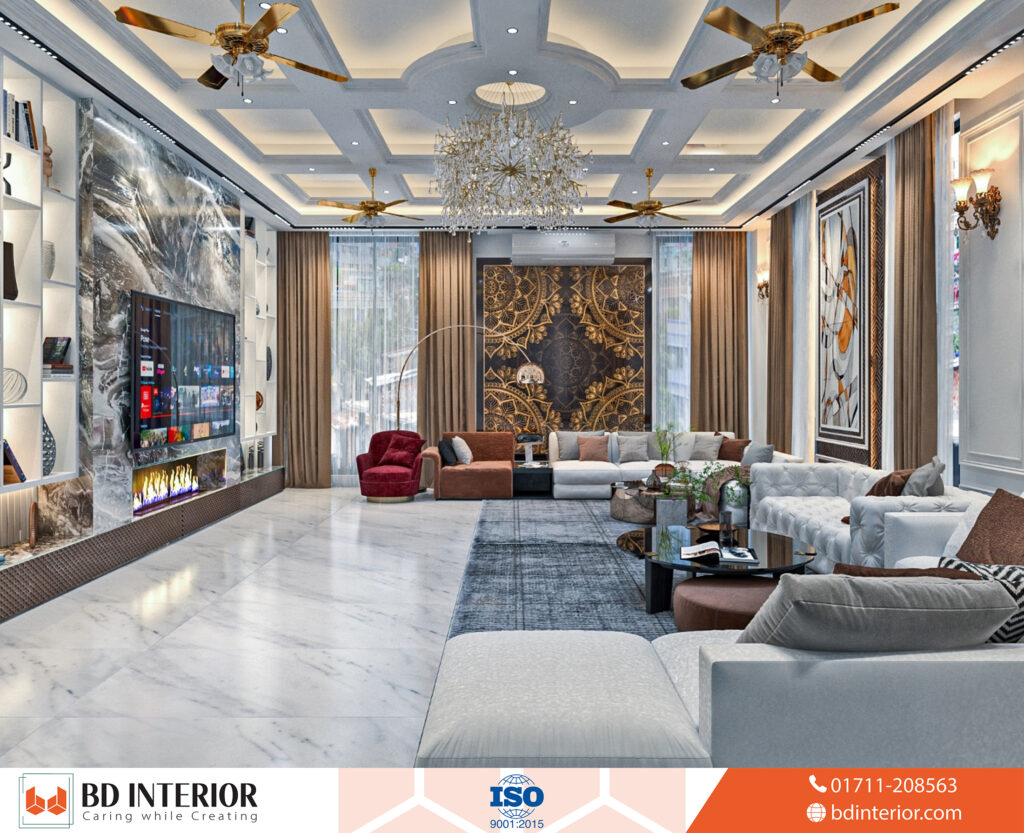
Furniture and Decor Ideas for Personalized Interiors
Furniture selection and decorative styling lend spaces their personality while also supporting daily activities. In this area, practical function merges seamlessly with aesthetic expression to define a room’s look and feel.
Choosing furniture requires understanding construction quality. Solid wood frames outlast particleboard alternatives. Eight-way hand-tied springs (a method of connecting springs with twine in eight directions for durability) provide superior comfort compared to cheaper suspension systems. Investment pieces should last decades with proper care.
Arranging Furniture Effectively
Furniture placement creates conversation areas and defines traffic flow. Seating arrangements work best when people can see each other without straining. Coffee tables should sit within easy reach of all seating. Side tables belong next to chairs for convenience.
Scale relationships prevent awkward proportions. Oversized sectionals overwhelm small rooms. Tiny furniture gets lost in expansive spaces. Measure carefully and visualize pieces in context before purchasing.
Decorative elements add the final layer of personality. These accessories include:
- Artwork: Shows your personal taste and adds color focal points.
- Plants: Bring life into a room and help improve air quality.
- Textiles: Pillows, throws, and curtains add softness and pattern.
- Collections: Show meaningful objects that tell your story.
- Books: Offer both decoration and something to read.
Styling follows the principle of editing. If you display too many decorative items, visual clutter can result. Space allows featured pieces to shine. Try grouping objects in odd numbers to create a pleasing visual rhythm.
Seasonal updates keep interiors feeling fresh without significant investments. Swap pillow covers, rotate artwork, or change throw blankets. These small shifts reflect changing seasons and personal moods.
Personal style matters more than following trends. Instead, your home should reflect your values and interests. A mix of inherited pieces with modern finds creates a unique character that showroom perfection cannot match.
Embracing this reality, the ancient Japanese philosophy of Wabi-Sabi celebrates the natural wear and tear of organic materials, turning aged leather and cracked ceramics into expressions of authentic beauty.
Acclaimed designer Nate Berkus often advises that the most successful homes look assembled over time rather than styled in a single afternoon, capturing the authentic history of the owners.
As editors at House Beautiful frequently observe, the most memorable spaces prioritize personal storytelling over passing showroom aesthetics, blending heirloom objects with contemporary elements.
Specialized Areas in Interior Design: Residential to Commercial
Interior design branches into specialized niches that require specific expertise beyond general residential work. Each specialty demands unique knowledge and skills.
Even more specialized is Yacht Interior Design, a luxury niche requiring meticulous planning to meet strict marine weight limits, moisture resistance standards, and compact spatial constraints while afloat.
Globally, professional bodies like the SIDAC (Singapore Interior Designers Accreditation Scheme) ensure practitioners adhere to strict safety and competency standards, protecting both residential and commercial clients.
Passing the rigorous NCIDQ (National Council for Interior Design Qualification) exam serves as the industry standard, certifying that a practitioner has mastered both technical building codes and spatial safety.
Residential Design
residential projects focus on creating comfortable, personalized living spaces. Designers work closely with homeowners to understand lifestyle needs and aesthetic preferences. Projects range from single-room updates to whole-house renovations.
Kitchen and bathroom design represent specialized residential niches. These spaces involve complex plumbing (water supply and drainage systems), electrical (wiring and fixtures), and ventilation (systems for airflow and removing humidity). Designers must understand building codes (rules ensuring safety) and coordinate with multiple contractors.
Commercial Design
Commercial spaces serve both business and aesthetic objectives. Office design affects employee productivity and company culture. Retail environments influence shopping behavior and sales. Restaurant interiors create dining experiences that keep customers returning.
This response is deeply rooted in Environmental Psychology, an academic discipline that explores how lighting, layout, and spatial density directly impact human mood, productivity, and social interactions.
Healthcare design prioritizes patient well-being and staff efficiency. Hospitals require infection control considerations and specialized equipment planning. Healing environments use research-backed design principles to support recovery.
Hospitality design creates memorable guest experiences in hotels, resorts, and restaurants. These projects balance durability with luxury. High-traffic areas need materials that withstand constant use while maintaining visual appeal.
Emerging Specialties
Sustainable design focuses on environmental responsibility through material selection and energy efficiency. Universal design ensures spaces work for people of all ages and abilities. Biophilic design connects indoor environments with nature for improved well-being.
Similarly, specialized Aged Care Design / Senior Living Design addresses accessibility and cognitive decline, integrating high-contrast transitions and non-slip surfaces to safeguard mobility-impaired residents.
By integrating living walls and natural light systems through Biophilic Design, practitioners can improve occupant cognitive function and reduce stress levels by up to 15%, according to BRE Academy research.
Each specialty requires continuing education and industry-specific knowledge. Successful designers often focus on one or two areas rather than attempting to master everything.
How to Create Balance and Cohesion Across All Design Areas
Integrating multiple design areas into unified spaces requires understanding how elements interact. Cohesive design feels intentional rather than randomly assembled.
Visual weight distribution creates balance throughout rooms. Heavy, dark furniture on one side needs counterbalancing elements on the other. Large artwork balances substantial furniture pieces. Symmetrical arrangements feel formal while asymmetrical layouts appear more casual.
Achieving Design Cohesion
Repetition ties diverse elements together. Repeating colors, materials, or shapes creates visual connections. A wood tone used in flooring might reappear in furniture legs and picture frames. This subtle repetition unifies separate pieces.
Proportion and scale relationships maintain harmony. All furniture within a room should relate to each other appropriately. A massive dining table overwhelms delicate chairs. Substantial seating requires equally substantial tables and lighting.
Establish a clear focal point in each room. This might be a fireplace, a large window, or a statement furniture piece. Other elements should support rather than compete with this focus.
Style consistency prevents jarring transitions. You can successfully mix styles, but they should share common threads. A modern sofa and a traditional chair work together when they share a similar scale and color families.
These nuanced combinations form the baseline of popular hybrid styles like Japandi, which relies on a muted, organic palette to marry Japanese minimalism with warm Scandinavian comfort.
To streamline these complex coordination efforts, many modern residential firms offer Turnkey Solutions, managing the entire lifecycle of a project from initial concept sketches to final accessory styling.
Transition between rooms thoughtfully. Adjacent spaces should flow visually, even when serving different functions. Carry one or two colors through multiple rooms. Use consistent flooring materials where possible.
Consider the entire home as one connected environment. Stand in doorways and hallways to see how rooms relate to one another from multiple viewpoints. What you see from one space into another matters as much as how individual rooms appear in isolation.

S.M. Rezaul Haque is a seasoned interior design consultant with 15+ years of experience. An AIUB graduate and Senior Vice President of BIDCOA, he specializes in creating functional, sustainable, and visually inspiring spaces. As the driving force behind BD INTERIOR, he has helped shape 700+ Bangladesh’s most innovative interior design projects.