
The dream of a perfect space often clashes with reality: miscommunication, surprise costs, and mismatched expectations can turn excitement into delays and frustration. These issues stem not from lack of taste or talent, but from failing to follow a structured, transparent interior design process.
This guide provides that essential, ultra-specific framework, ensuring your creative vision is realized efficiently, on budget, and with trust intact.
Foundational Phases of Interior Design
The interior design process is a structured workflow turning a client’s vision into reality. It includes key stages from consultation to installation, ensuring every detail is planned, approved, and executed methodically to prevent budget issues and unmet expectations.
Phase 1: Programming & Initial Consultation
This is the ‘getting to know you’ phase, laying the groundwork for the project. It’s a deep dive into the client’s lifestyle, needs, desires, and vision for the space. For the homeowner, it’s about articulating ideas. For the designer, it’s about listening intently and translating those unique desires into a tangible space.
Key activities include:
- Lifestyle Analysis: Discussing daily routines, family size, hobbies, and functional needs for each room.
- Inspiration & Vision: Reviewing inspiration images, discussing style preferences (modern, traditional, eclectic), and defining the desired mood.
- Budget & Scope: Establishing a realistic budget and a clear, detailed scope of work. This is a non-negotiable step to prevent financial stress later.
- Site Assessment: Taking measurements and photographing the existing space to understand its constraints and potential.
Quick Action Plan:
- Homeowners: Compile a Pinterest board or a collection of images. Think about what you dislike as much as what you like. Be upfront about your total budget.
- Designers: Ask open-ended questions. Listen more than you talk. Provide a detailed questionnaire before the meeting to make the time more productive.
Phase 2: Concept & Schematic Design
With a solid grasp of the project’s goals, the designer transforms abstract ideas into a tangible vision. Creative work starts to take shape, moving from concepts to visual and spatial plans.
This stage involves creating initial design concepts and high-level layouts to communicate the overall look and feel.
Deliverables often include:
- Mood Boards: A curated collage of colors, textures, materials, and furniture styles that capture the project’s aesthetic direction.
- Preliminary Space Plans: Rough sketches or block diagrams showing furniture layouts and the general flow of the space.
- Color Palette Development: Proposing primary and secondary color schemes that align with the mood board.
This phase is iterative. It’s normal for a concept to be refined. As one user shared, a frustrating experience occurs when the initial vision is missed: “The first board they presented us with was totally off…it’s like they never even looked at the stuff I sent. Lots of modern type fabrics, grey and tones, I specifically said initially I don’t like.” This highlights the need for designers to fully absorb the information from Phase 1.
Phase 3: Design Development & Detailing
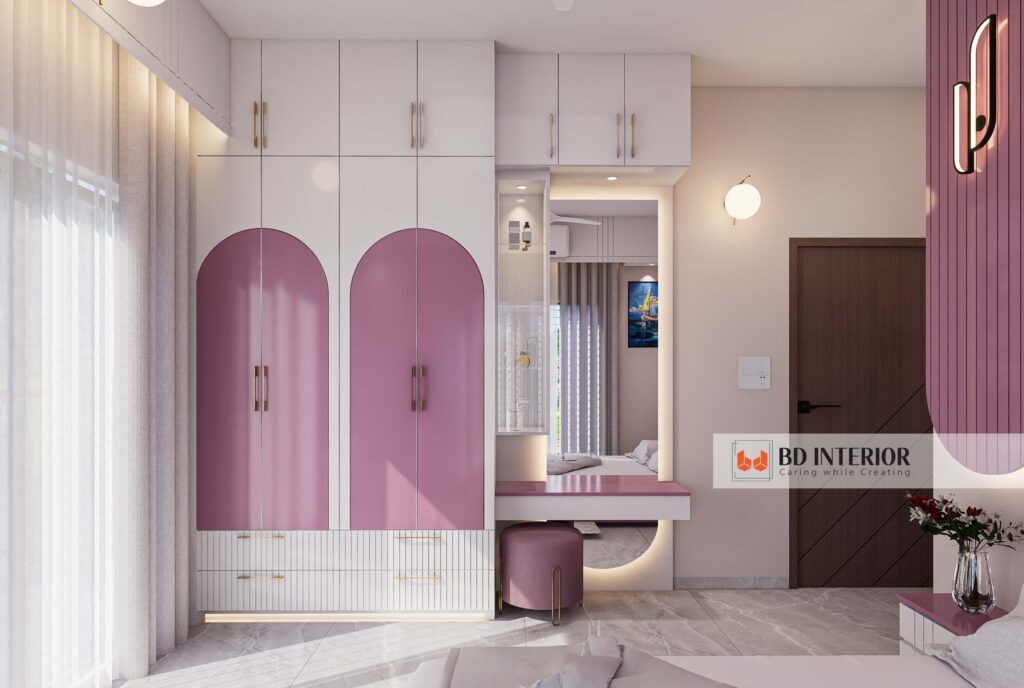
The objective of this phase is to develop the chosen concept into precise plans and selections, creating a comprehensive roadmap for construction and implementation. Once the concept is approved, the project moves from broad strokes to fine details. The approved schematic design is fleshed out with specific selections and comprehensive plans. This is where the abstract vision becomes a concrete, actionable blueprint.
Key activities include:
- Detailed Drawings: Creating precise floor plans, elevations, and lighting/electrical plans.
- Material & Finish Selection: Choosing the exact materials for flooring, countertops, cabinetry, and walls.
- FF&E Specification: Selecting specific Furniture, Fixtures, and Equipment (FF&E), from the sofa down to the cabinet hardware.
- 3D Renderings: Often, photorealistic 3D models are created to give clients an exact preview of the finished space, helping avoid costly changes later.
Quick Action Plan:
- Homeowners: Request samples of key materials. Take your time reviewing 3D renderings and ask for adjustments now, not during construction.
- Designers: Keep selections organized. Present a limited, curated set of options to avoid overwhelming the client. Get written sign-offs on all major selections.
Phase 4: Procurement & Project Management
The objective of this phase is to execute the design by organizing logistics, ordering materials, and coordinating team members, ensuring the plan is carried out effectively and efficiently. With the design finalized, the focus shifts to bringing all the pieces together. This is a logistics-heavy phase that requires meticulous organization and communication. It involves ordering all the specified FF&E and coordinating with various trades and contractors.
Most client frustrations arise not from design choices, but from failures in this stage. As one expert from archscaleguild notes, “Most interior designers lose clients not because of bad design but because of broken trust. Clients rarely complain about mood boards, colour palettes, or layouts. What they do complain about are delays, confusion, silence, and surprises.”
Key activities include:
- Purchasing: Ordering all furniture, materials, and fixtures.
- Budget Tracking: Meticulously managing the budget and providing regular financial updates to the client.
- Timeline Management: Creating and overseeing the project schedule, coordinating contractors, and ensuring milestones are met.
- Site Visits: Regularly visiting the site to ensure the design is being implemented correctly and to address any issues that arise.
Beyond the Blueprint: Navigating the Unspoken Challenges
A successful project goes beyond a checklist of phases. It requires managing finances, expectations, and even emotions. Many articles on this topic fail to address the crucial, and often difficult, undercurrents of the design process.

Decoding Designer Fee Structures
Transparency around fees is non-negotiable for building trust. The structure of how designers charge can be confusing, and a lack of clarity here is a major source of client-designer friction.
Common models include:
- Hourly Rate: The designer bills for their time, with rates ranging from 30/- to over 150/- per sq. ft, depending on experience. This model is flexible but can lead to budget uncertainty for the client.
- Fixed or Flat Fee: A single fee is charged for the entire project scope. This provides the client with budget clarity but requires the designer to accurately estimate their time upfront.
- Percentage of Project Cost: The designer’s fee is a set percentage (e.g., 10-20%) of the total project cost, including furnishings and construction.
- Hybrid Models: Many designers use a combination, such as a flat fee for the design phases and an hourly rate for construction administration.
I know what you’re thinking as a client: why is there so much markup? Designers often purchase items at trade discounts and sell them to clients at a markup. This ‘cost plus’ model is part of how they are compensated for their procurement and management services. It’s vital to have this conversation upfront.
The technology used in a project, from smart home integrations to the use of AI in creating renderings, can also impact costs and should be discussed. As seen in other creative fields, advancements like Google’s New AI ‘Canvas’ Tool Is Here: What You Need to Know are streamlining creative processes and can influence service offerings.
The Battle Against ‘Scope Creep’
Scope creep is the silent project killer. It happens when a project gradually expands beyond its original boundaries without formal adjustments to the timeline or budget. It might start with a simple client request: “While you’re at it, could you also pick out some new towels for the guest bath?” These small additions accumulate, eroding profitability and causing delays.
How to manage it:
- Define a Crystal-Clear Scope: The initial contract must meticulously detail what is included and, just as importantly, what is excluded.
- Use a Formal Change Order Process: Any request outside the original scope must be documented in a change order. This document details the new work, the additional cost, and the impact on the timeline, and requires a client signature before work begins.
- Communicate Proactively: When a client makes a request that feels like it’s expanding the scope, address it immediately. Explain the impact and initiate the change order process.
Managing the Emotional Journey
An interior design project is an emotional rollercoaster for everyone involved. Homeowners are making significant financial and personal investments, and designers are pouring their creative energy into the work. Delays happen. A piece of furniture arrives damaged. A paint color looks different on the wall than on the swatch. These moments can be stressful.
For homeowners, it’s common to feel anxiety. One client described this perfectly: “Every time we bring in something new… she sends me a long text about how she is so disappointed, and I have to rush over to resell her on the items and soothe her. She always ends up thrilled…” This is the emotional arc of trust-building.
For designers, the pressure is immense. One shared their frustration with indecisive clients or those with, frankly, bad taste: “Right now I’m dealing with two clients that just straight up have terrible taste. The things they send me… I can’t in good conscience approve these pieces, but they love them. Really puts me in a bind.”
The key to navigating this, designer Paloma Contreras says, is “chemistry.” She notes, “It really is about chemistry because it is such a personal, long-standing relationship. You have to enjoy one another’s company and communicate in a positive way.”
Final Phases: Bringing It All Home
Phase 5: Installation & Styling
This is the moment of truth. After months of planning, the vision finally comes to life. The designer oversees the delivery and placement of all furniture, the installation of window treatments, the hanging of art, and the placement of accessories.
Key activities include:
- Coordinating Deliveries: Managing the complex logistics of getting everything to the site at the right time.
- Overseeing Installation: Working with installers to ensure every piece is installed correctly per the design plan.
- Styling & Finishing Touches: Adding the final layer of accessories, art, and decor that makes a house feel like a home.
Phase 6: Project Closure & Post-Occupancy
Many guides end at installation, but the project isn’t truly over. A professional process includes a formal closeout to ensure complete client satisfaction and address any remaining details.
Key activities include:
- The Punch List: A final walkthrough with the client to identify any deficiencies or items that need to be fixed, such as paint scuffs or faulty drawers.
- Final Handover: Providing the client with all warranties, care instructions for new finishes and furnishings, and a final project binder.
- Post-Occupancy Evaluation: Some designers follow up after a few weeks or months to see how the client is living in the space and if any adjustments are needed. This is a hallmark of excellent service.
Conclusion: Process Is the Path to a Perfect Partnership
Ultimately, the interior design process is a framework for trust and communication. For the homeowner, understanding these stages demystifies the journey, empowers you to be a better partner, and ensures your vision and investment are protected.
For the designer, a well-defined process is your greatest tool for managing expectations, protecting your profitability, and delivering exceptional results that lead to happy clients and a stellar reputation. When both parties respect the process, the focus can remain where it should be: on creating a beautiful, functional, and deeply personal space.